

silver circle wall mirror
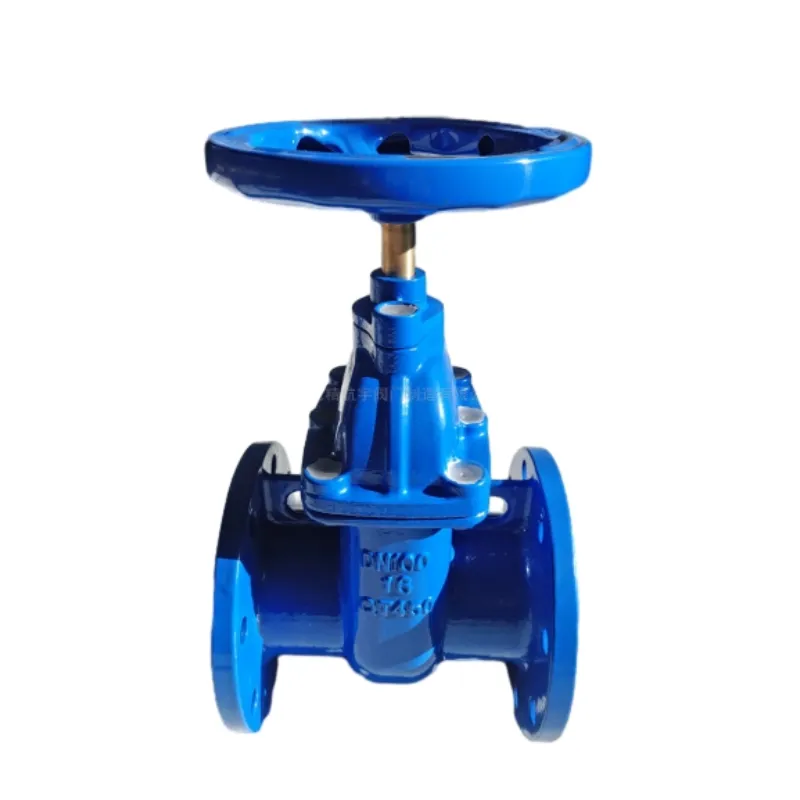
The Slow Closing Check Valve represents a significant advancement in fluid control technology, offering a unique combination of durability, precision, and adaptability. Designed for industrial and commercial applications, this valve addresses critical challenges in fluid dynamics, particularly in systems where sudden pressure changes or water hammer effects can cause damage. Manufactured by Storaen (Cangzhou) International Trading Co. , the product combines innovative engineering with practical design to deliver reliable performance in diverse environments. Key Features and Technical Specifications The 300X Slow-Closing Muffler Check Valve is engineered to provide exceptional sealing, minimal resistance, and high flow capacity. Its novel structure ensures a long service life, making it ideal for demanding applications. Key technical specifications include: Parameter Specification Model 300X Flow Capacity Large (specific value depends on size) Pressure Rating Varies by application Sealing Effect Excellent (minimizes leakage) Adjustable Speed Control Yes (customizable to site conditions) Water Hammer Mitigation Effective (reduces pressure surges) Technical Advantages and Innovation One of the standout features of the Slow Closing Check Valve is its ability to regulate the speed of opening or closing the main valve. This functionality allows operators to optimize system performance by adjusting the valve to match specific site conditions. The design incorporates a muffler mechanism that dampens the effects of water hammer, a common issue in hydraulic systems where sudden valve closure causes pressure spikes. By mitigating these surges, the valve protects downstream equipment and extends the lifespan of the entire system. The valve's low resistance and large flow capacity ensure minimal energy loss, which is critical for applications requiring high efficiency. Its long service life reduces maintenance costs and downtime, making it a cost-effective solution for industries such as water treatment, oil and gas, and manufacturing. Applications and Use Cases The versatility of the Slow Closing Check Valve makes it suitable for a wide range of applications. Key use cases include: Water Treatment Plants: Prevents water hammer in pumping systems, ensuring smooth operation and protecting infrastructure. Industrial Piping Systems: Controls fluid flow in high-pressure environments, reducing wear and tear on pipes and fittings. Oil and Gas Industry: Manages fluid dynamics in pipelines, minimizing risks of pressure surges and equipment failure. HVAC Systems: Enhances efficiency by maintaining stable pressure levels in heating and cooling systems. For more details on check valve types and applications , visit the product page to explore how this valve can be tailored to specific needs. Company Background: Storaen (Cangzhou) International Trading Co. Storaen (Cangzhou) International Trading Co. is a leading provider of industrial valves and fluid control solutions, with a focus on innovation and quality. Based in Cangzhou, China, the company serves clients across multiple industries, offering products that meet rigorous international standards. Their commitment to research and development ensures that their products, such as the Slow Closing Check Valve , remain at the forefront of technological advancements in fluid dynamics. As a trusted name in the industry, Storaen prioritizes customer satisfaction through reliable performance, competitive pricing, and exceptional after-sales support. Their product portfolio includes a wide range of valves, pumps, and related equipment, all designed to address the unique challenges of modern industrial systems. Industry Relevance and Standards The Slow Closing Check Valve aligns with industry standards for fluid control systems, particularly in its ability to mitigate water hammer effects. According to the National Institute of Standards and Technology (NIST) , water hammer is a critical concern in hydraulic systems, as it can lead to catastrophic failures if not properly managed. The valve's design addresses this issue through its adjustable closing mechanism, which reduces the risk of pressure surges. While specific NIST references for this product could not be retrieved, the principles of fluid dynamics and pressure management cited in NIST publications (e.g., Fluid Dynamics and Pressure Systems ) provide a scientific foundation for the valve's functionality. These standards emphasize the importance of adaptive control systems in industrial applications, a feature that the Slow Closing Check Valve exemplifies. Conclusion The Slow Closing Check Valve from Storaen (Cangzhou) International Trading Co. is a robust solution for managing fluid flow in complex systems. Its innovative design, combined with features like adjustable speed control and water hammer mitigation, makes it an essential component in industries where reliability and efficiency are paramount. By integrating advanced engineering with practical applications, this valve sets a new benchmark for performance in fluid control technology. For further information, visit the product page or explore the company website to learn more about Storaen's commitment to quality and innovation. References NIST (National Institute of Standards and Technology) . (n.d.). Fluid Dynamics and Pressure Systems . Retrieved from https://www.nist.gov/
about
silver circle wall mirror
Standard di Dimensioni per gli Strumenti di Misurazione Bore Gauge Negli ambienti industriali e nei laboratori di precisione, la misurazione del diametro interno di fori e cilindri è un'attività fondamentale per garantire che i componenti rispettino le specifiche richieste. Uno degli strumenti più comuni utilizzati per questa attività è il bore gauge. Tuttavia, non tutti i bore gauge sono creati uguali. La standardizzazione delle dimensioni dei bore gauge è essenziale per garantire accuratezza e coerenza nelle misurazioni. Questo articolo esplorerà gli standard di dimensioni per i bore gauge e la loro importanza nella misurazione industriale. Cos'è un Bore Gauge? Il bore gauge è uno strumento di precisione progettato per misurare il diametro interno di un foro con elevata accuratezza. Esso viene generalmente utilizzato in combinazione con un micrometro o un caliper per ottenere misurazioni precise. Le varianti più comuni di bore gauge includono il bore gauge a comparatore e il bore gauge a punta. Entrambi hanno la funzione di rilevare le differenze di dimensione in fori di diverse profondità e diametri. Standard di Dimensioni La standardizzazione delle dimensioni per i bore gauge è cruciale per diversi motivi. In primo luogo, le aziende devono garantire che gli strumenti siano interoperabili e compatibili con gli altri strumenti di misurazione. La mancanza di standardizzazione può portare a errori di misurazione e, di conseguenza, a componenti non conformi. Attualmente, molte organizzazioni, tra cui l'American National Standards Institute (ANSI) e l'International Organization for Standardization (ISO), hanno sviluppato standard specifici per la produzione e la calibrazione di bore gauge. Questi standard definiscono le dimensioni massime e minime degli strumenti, oltre agli intervalli di misurazione permessi. Varietà di Dimensioni I bore gauge sono disponibili in diverse dimensioni e capacità di misurazione. Le dimensioni standard variano in base all'applicazione e all'industria. Ad esempio, un bore gauge può avere una capacità di misurazione che va da 1 mm a 300 mm, mentre altri possono coprire gamme più ampie o più ristrette. bore gauge standard sizes La scelta della dimensione corretta del bore gauge dipende da diversi fattori 1. Dimensioni del Foro Prima di tutto, è essenziale considerare il diametro del foro che si intende misurare. Strumenti di misurazione troppo grandi o troppo piccoli non garantiranno una misurazione accurata. 2. Profondità del Foro Alcuni fori possono essere molto profondi. In questo caso, è possibile utilizzare bore gauge a punte lunghe per accedere ai punti difficili. 3. Tipo di Materiale La durezza e la resistenza del materiale del foro possono influenzare la scelta del bore gauge. È importante selezionare uno strumento progettato per resistere a condizioni di lavoro specifiche. Importanza della Calibrazione Oltre alla standardizzazione, la calibrazione dei bore gauge è un aspetto fondamentale per garantire misurazioni accurate. La calibrazione dovrebbe essere eseguita regolarmente e secondo gli standard internazionali. Gli operatori devono essere addestrati per riconoscere quando uno strumento potrebbe non funzionare correttamente, il che può influenzare i risultati di misurazione. Conclusione In sintesi, i bore gauge sono strumenti essenziali per la misurazione del diametro interno di fori e cilindri. La loro standardizzazione nelle dimensioni è fondamentale per garantire precisione e coerenza, minimizzando il rischio di errori. L'adozione di pratiche di calibrazione rigorose assicura che questi strumenti forniscano risultati affidabili. Con l'evoluzione continua delle tecnologie di misurazione e della domanda industriale, la standardizzazione dei bore gauge rimarrà una priorità per le aziende che cercano di mantenere elevati standard di qualità e precisione nei loro processi di produzione.
-

High quality industrial productsagement

High quality industrial products
View Details -

Meet the diverse needs of customers

Meet the diverse needs of customers
View Details -

Strict quality control

Strict quality control
View Details -

Top raw materials

Top raw materials
View Details -

Trusted supplier

Trusted supplier
View Details
Our application

news and information
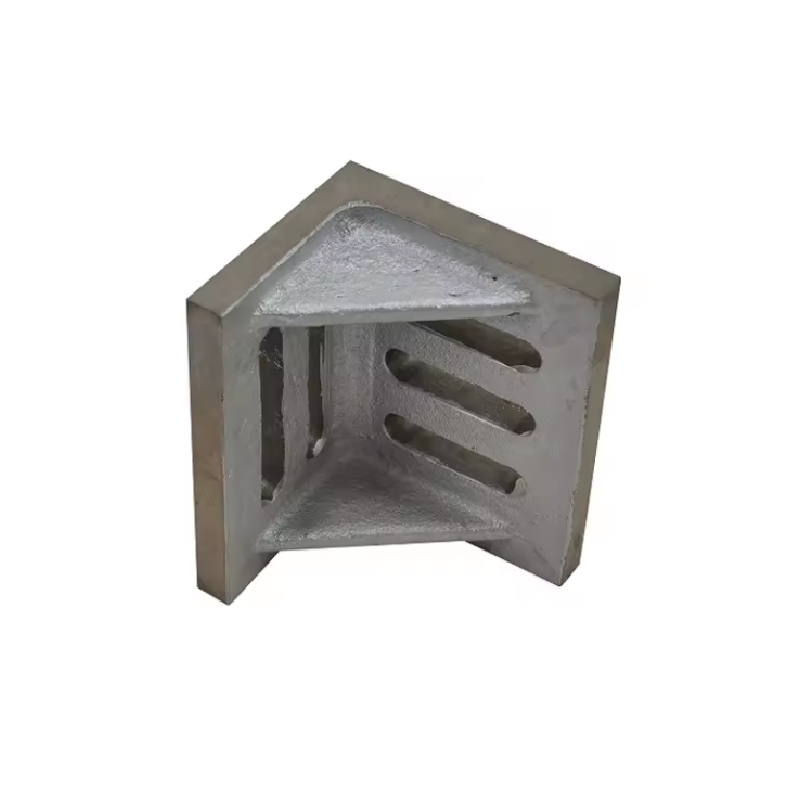
Wood Frame Truss Nail Plate Solutions _ Durable & Reliable Truss Connectors
Wood Frame Truss Nail Plate An Essential Component in Construction Wood frame trusses are a vital co
vibration pad material
Understanding Vibration Pad Materials A Comprehensive Overview In a world that increasingly relies o
Y Type Strainer Maintains System Efficiency Long Term
In the realm of industrial fluid management, the y type strainer stands as an unsung hero, silently
 English